Review on classic Hodgkin lymphoma published in JAMA
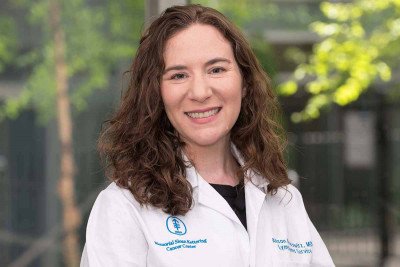
Hodgkin lymphoma (HL) is a lymphoid malignancy derived from B cells. Globally, there were 82,409 new cases of HL in 2022, associated with 22,701 deaths. Classic HL (cHL) accounts for 90% to 95% of HL cases. Researchers at Memorial Sloan Kettering Cancer Center (New York, NY) publish in JAMA a review on cHL. It has a bimodal age distribution, with an initial peak at age 15 to 35 years, and a second, smaller peak at approximately age 70 years. The median age at cHL diagnosis in 33 years. Most patients present with supradiaphragmatic lymphadenopathy; isolated infradiaphragmatic involvement occurs in less than 10%. Approximately 30% to 40% of patients have B (systemic) symptoms, including fevers, drenching sweats, and unintentional weight loss. Risk factors for cHL include Epstein-Barr virus infection, immune dysregulation, and familial predisposition. Patients with early-stage cHL receive chemotherapy with or without consolidative radiotherapy; advanced-stage disease is typically treated with chemotherapy alone. Novel agents (anti-PD-1 immunotherapy or brentuximab vedotin) are combined with chemotherapy for some patients with early-stage unfavorable cHL and all patients with advanced-stage cHL. Allogeneic stem cell transplant is reserved for select patients with relapse after high-dose chemotherapy and autologous stem cell transplant. Cure is achieved in up to 90% of treated patients; however, survivors had increased risk of secondary malignancies, cardiopulmonary dysfunction, and thyroid dysfunction.