Phase 2 study of addition of hu14.18K322A to chemotherapy for newly diagnosed high-risk neuroblastoma in children
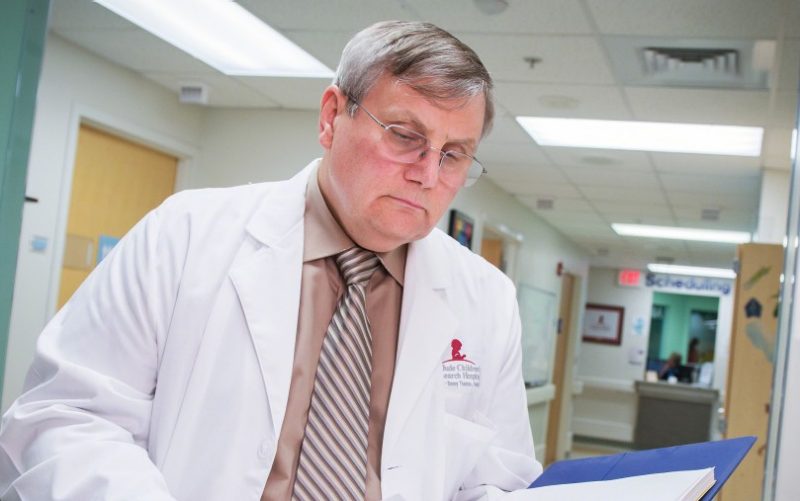
Dr. Wayne Furman
Despite aggressive multimodal treatment, nearly half of patients with newly diagnosed high-risk neuroblastoma still succumb to their disease. A phase 2 study found that addition of the humanized antidisialoganglioside monoclonal antibody hu14.18K322A to induction chemotherapy for newly diagnosed high-risk neuroblastoma in children, compared to historical controls treated with the same chemotherapy without the antibody, improved early objective responses, significantly reduced tumor volumes in most patients, improved end-of-induction response rates, and yielded encouraging 3-year event-free survival. The authors conclude that these results, if validated, may be practice changing.